Organic SEO Agency Guide 2025: Reviews & Tips
What is organic seo agency?
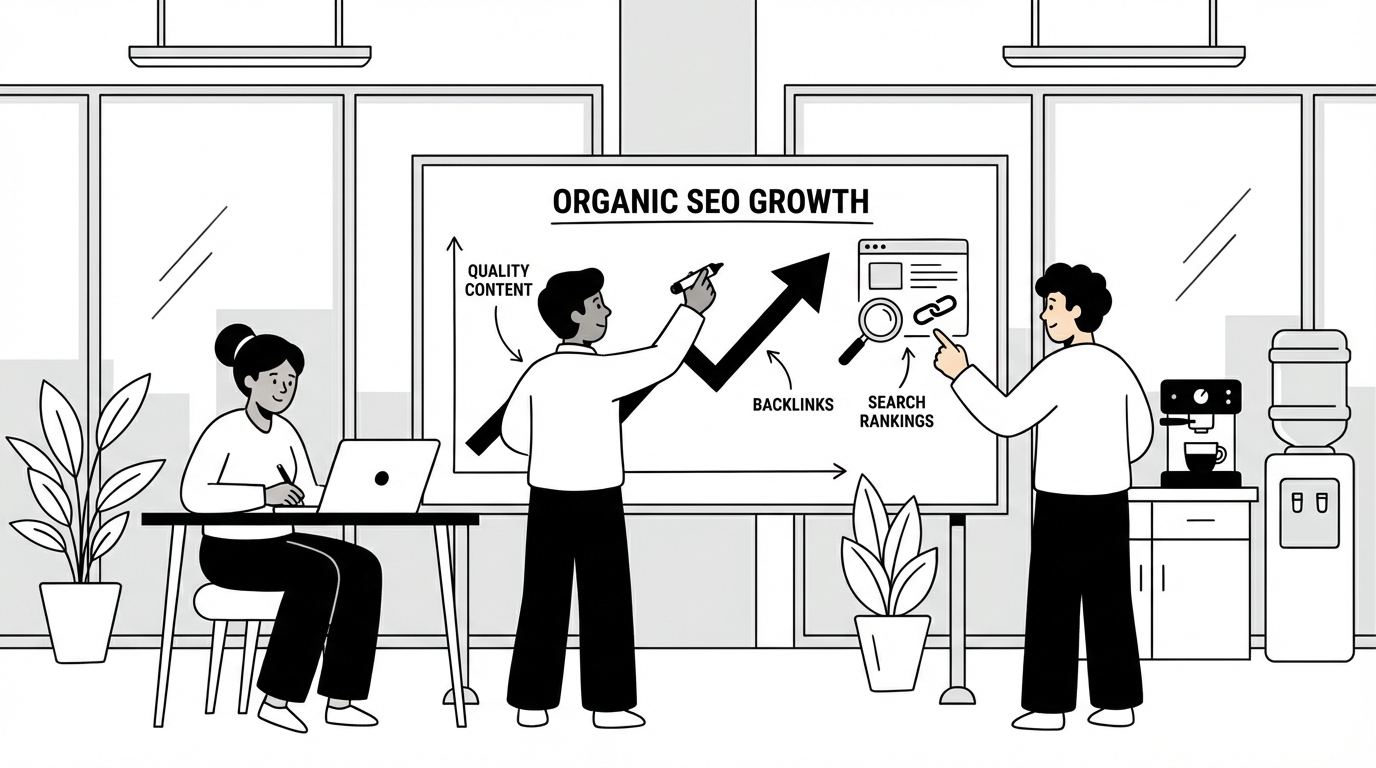
An organic seo agency helps you grow traffic from unpaid search results. Instead of buying ads, it improves your site so Google and other search engines trust it more.
In plain terms, you’re paying for search engine optimization work: technical fixes, content marketing, keyword analysis, and link building strategies. The goal is steady organic traffic growth that keeps working after the work is done.
A good agency usually blends four areas:
Some teams also act like a broader digital marketing agency. They may offer PPC, social, email, and web design. That can help, but it can also blur focus. If your main goal is long-term search visibility, make sure SEO services are not an afterthought.
Below, you’ll find a practical checklist for choosing a partner, plus a round-up of agencies and platforms that businesses often consider.
Key Benefits

Hiring an organic seo agency can pay off in ways that are hard to get from ads alone.
Compounding traffic over time
Paid clicks stop when you stop paying. Organic rankings can keep sending visits for months or years, especially for evergreen topics.
Better site health and user experience
Technical SEO work often fixes real problems: slow pages, broken templates, messy navigation, and duplicate content. Those changes can lift conversion rate, not just rankings.
Clearer content priorities
Many teams publish content because it “feels right.” A strong SEO strategy uses competitive analysis and keyword analysis to decide what to build, what to refresh, and what to delete.
Stronger local presence
Local SEO is a big deal for service businesses. Better Google Business Profile work, local landing pages, and review plans can drive calls and store visits.
Measurable ROI when tracked correctly
SEO ROI is real, but only if you set it up. The best agencies tie rankings and traffic to leads, pipeline, and revenue.
A simple ROI model you can ask for:
If an agency can’t explain how they measure results beyond “more traffic,” that’s a warning sign.
How to Get Started

If you’re shopping for an organic seo agency, start with clarity. The fastest way to waste money is to hire help before you know what “success” means.
Step 1: Define your goal and constraints
Pick one primary goal for the next 6 months:
More ecommerce revenue
Also list constraints: dev resources, CMS limits, legal reviews, and how fast you can publish.
Step 2: Run a quick internal website audit
You don’t need fancy tools to start. Check:
Step 3: Ask for a plan you can verify
When you talk to agencies, ask for:
Step 4: Set up tracking before work begins
At minimum:
Step 5: Start with a 60 to 90 day foundation
Most wins come after the basics:
Once that’s in place, you can scale content and authority building without guessing.
Best Practices

Good SEO is not magic. It’s a set of habits that keep your site easy to crawl, easy to understand, and genuinely useful.
Measure ROI like a finance person
Rankings are a signal, not the goal. Ask for reporting that includes:
If you can’t connect SEO to money, you can’t defend the budget.
Use tools, but don’t worship them
Most teams use a stack like:
Tools help you see patterns. They don’t replace judgment.
Treat content like a product
Strong content marketing means:
A “publish and pray” approach usually fails.
Don’t ignore local SEO details
For local businesses, small things matter:
Build links by earning them
Avoid spammy link building strategies. Safer approaches include:
Keep up with emerging trends
SEO keeps changing. Watch these:
Common SEO myths to ignore
Where to learn and network
If you want to build internal skill, look at:
Even if you hire help, knowing the basics makes you a better buyer.
FAQs
How long does SEO take to work?
Most sites see early movement in 8 to 12 weeks, but meaningful lead growth often takes 4 to 9 months. Competitive spaces can take longer.
What should a monthly SEO report include?
At minimum: organic conversions, landing pages driving leads, technical issues fixed, content shipped, and next month’s plan. Rankings can be included, but shouldn’t be the headline.
How do I compare agencies fairly?
Ask each one to explain the same things: their audit approach, content process, link approach, and how they measure ROI. Compare clarity, not buzzwords.
Do I need a full-service digital marketing agency?
Only if you want one team to handle multiple channels. If SEO is the main growth lever, a specialist can be easier to manage.
What’s a reasonable budget?
It depends on competition and how much content and dev work you need. Many retainers fall in the low-to-mid four figures monthly, and larger sites can be much higher.
Can SEO work without link building?
Sometimes, yes, especially for local SEO or low-competition topics. In tougher markets, you usually need some authority building, even if it’s PR-led.
What access should I give an agency?
Search Console, GA4, and read-only access to your CMS at first. Give write access only after trust is established and processes are clear.
Final Verdict
Choosing an organic seo agency comes down to fit, proof, and process. You want a team that can explain what they’ll do in the first 90 days, how they’ll measure ROI, and what they need from you to move fast.
Use a simple scorecard:
If you’re building a content-led engine and want tighter control over planning, publishing, and measurement, BlogSEO is worth a close look alongside the agencies below. For larger brands that need a broad digital marketing agency, the full-service firms can make sense.
No matter who you hire, keep ownership of your analytics, your content, and your learnings. That’s how organic growth stays durable.
BlogSEO
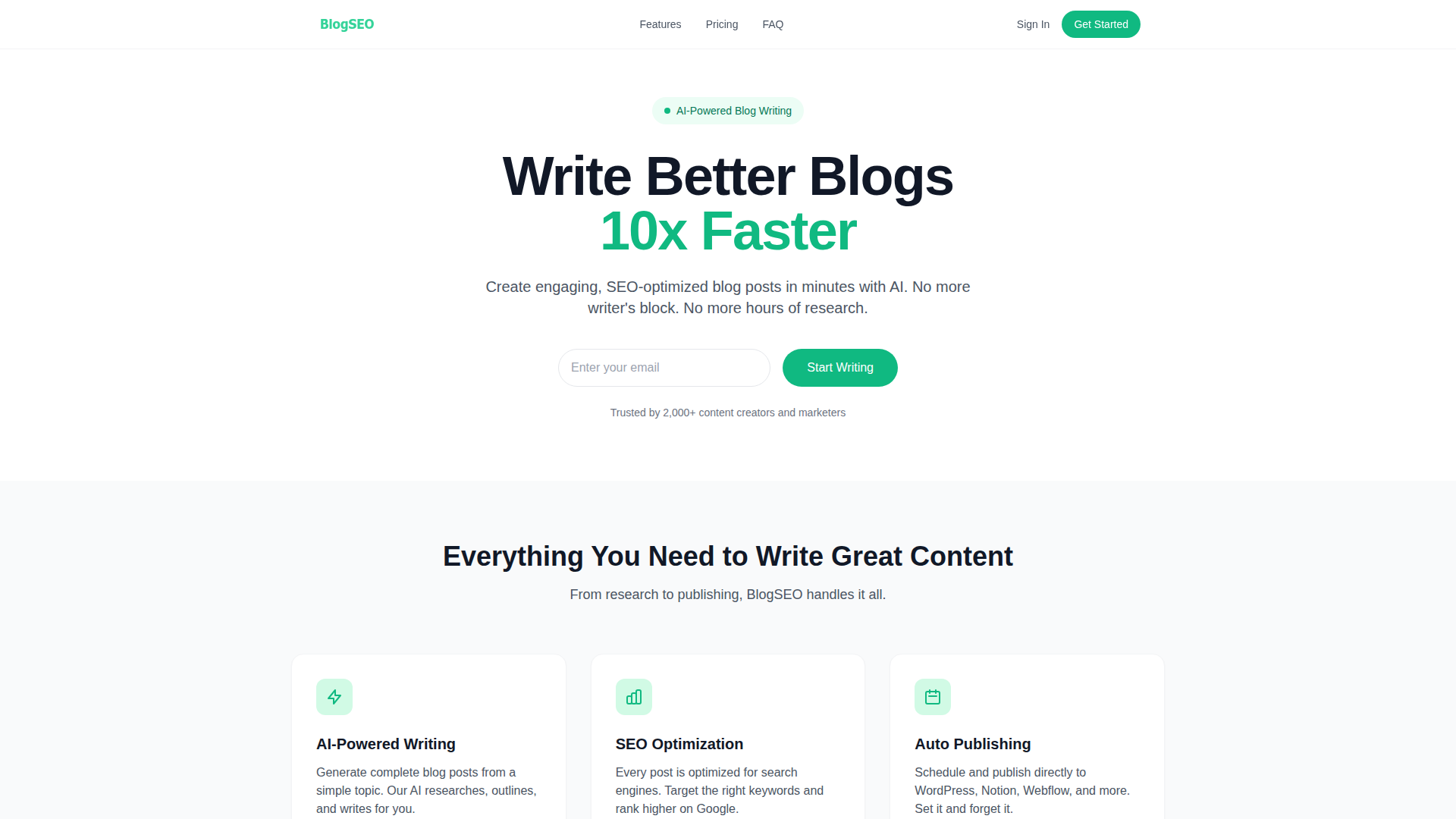
BlogSEO is built for teams that want organic growth driven by content, but don’t want content to live in a spreadsheet jungle. It’s a practical option for content creators, marketers, bloggers, and businesses that publish regularly and need a clear system for planning, writing, and improving pages over time.
What makes BlogSEO stand out in this category is how it connects day-to-day content work to the parts of SEO that usually get missed: consistent briefs, on-page checks, internal linking habits, and refresh cycles. Instead of treating SEO as a one-off website audit, it supports an ongoing workflow where you can see what’s published, what’s decaying, and what deserves an update.
It’s also a good fit if you’re trying to build an in-house engine but still want structure similar to what you’d get from an agency. If you’re comparing tools and services right now, put BlogSEO on your shortlist and review the feature and pricing details below before you decide.
Key Features
BlogSEO focuses on the repeatable parts of SEO services that content teams struggle to keep consistent.
Key capabilities typically include:
For teams doing content marketing at scale, these features reduce the “we’ll fix it later” pile. They also make it easier to collaborate with freelancers or multiple stakeholders without losing quality control.
Pricing Information
BlogSEO pricing is typically structured in tiers so smaller publishers can start simple, while larger teams can support more content and users.
When you compare value, look for:
A useful way to judge cost is to translate it into output. If the platform helps you publish two more high-quality pages per month, or helps you refresh older pages that already rank, it can offset the fee quickly. Ask for a trial or a short pilot so you can see whether the workflow matches how your team actually writes and edits.
Pros and Cons
Pros & Cons
Ignite Visibility
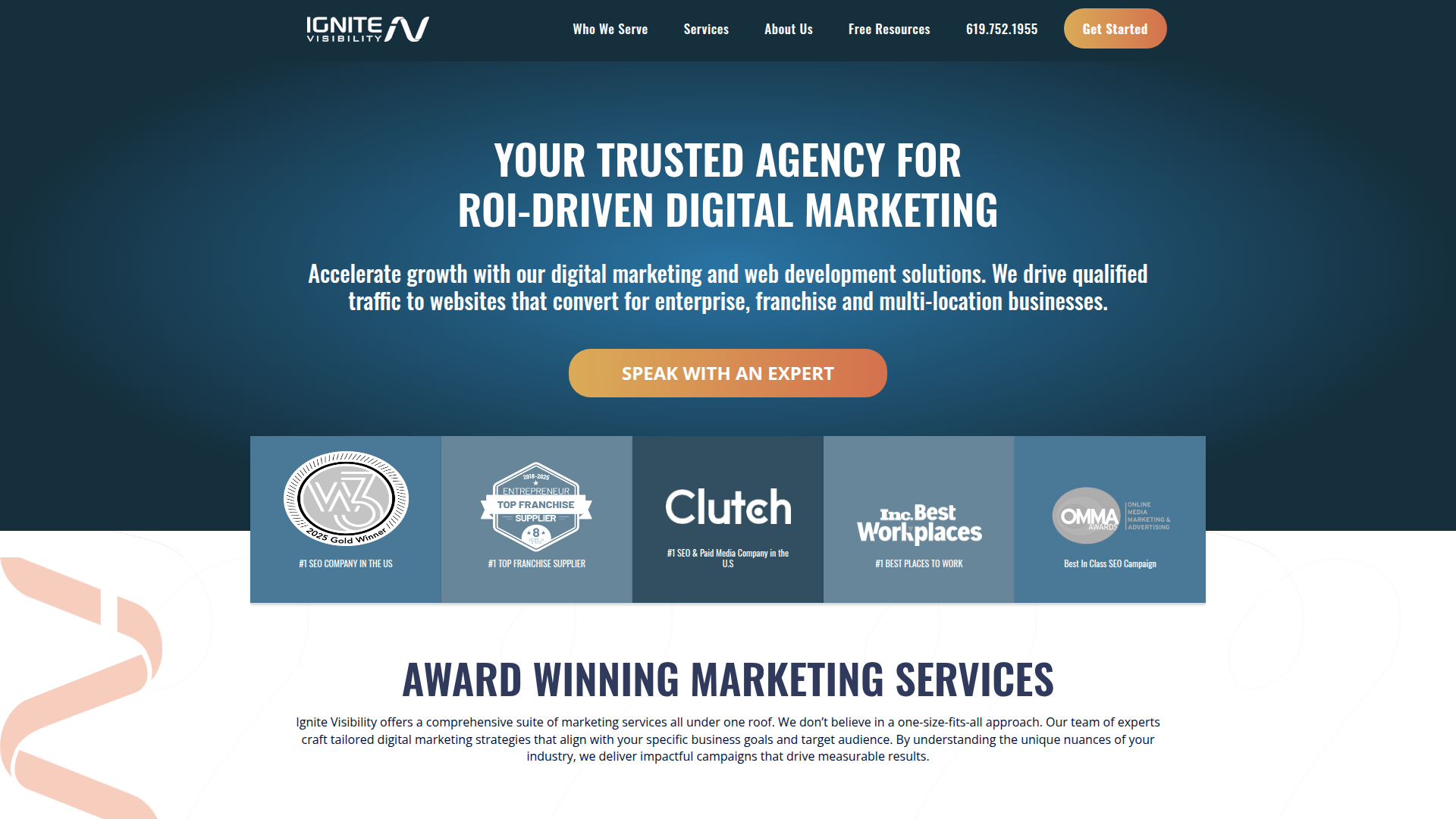
Ignite Visibility is a full-service digital marketing agency with SEO, paid media, and social under one roof. That matters if you want one partner to coordinate messaging and landing pages across channels.
Their SEO work often includes technical SEO, content strategy, and competitive analysis. For larger sites, coordination between SEO and paid teams can help you test messaging in ads, then roll winners into organic pages.
What to ask them:
Pros & Cons
SEO Brand
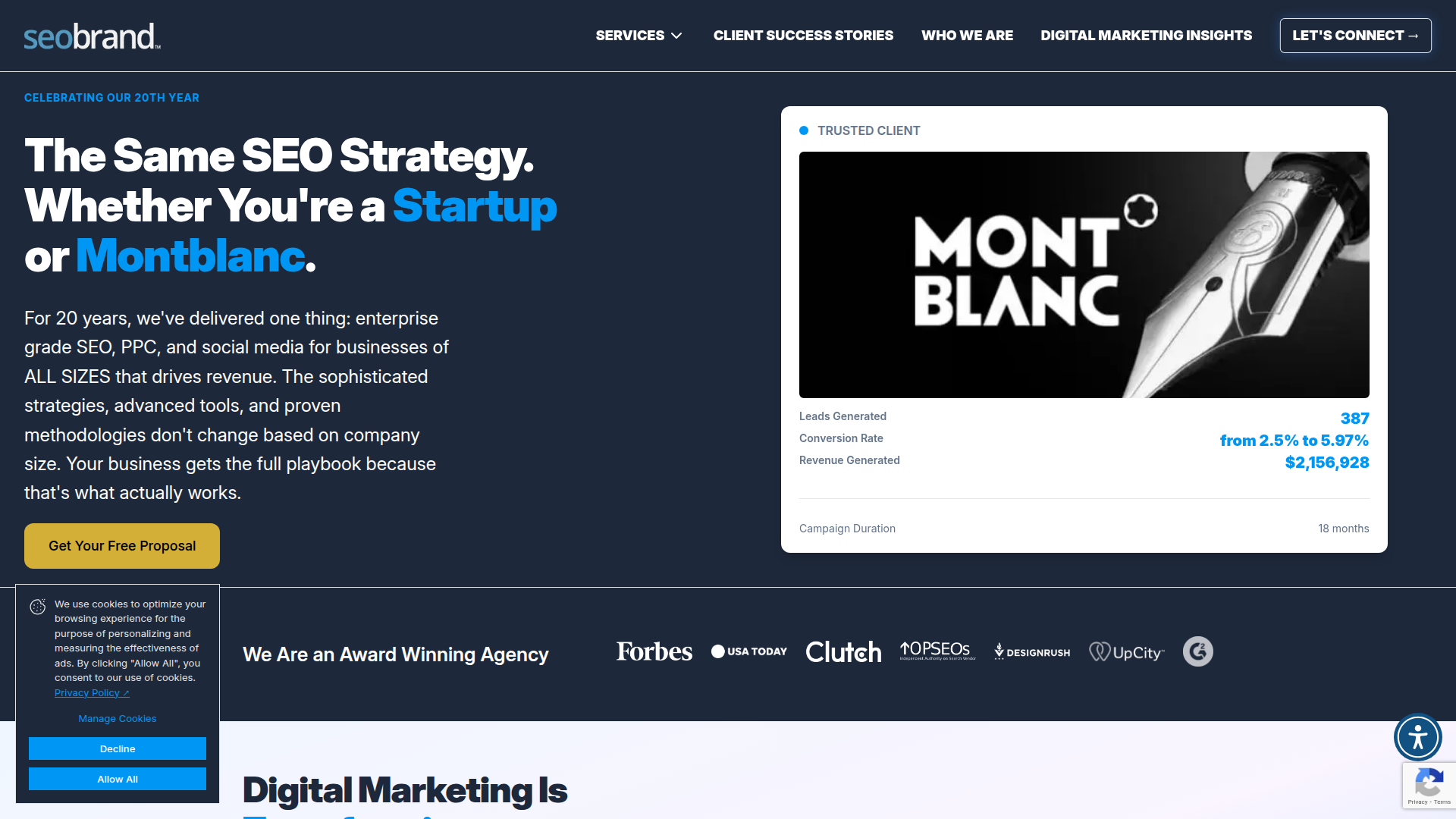
SEO Brand combines SEO services with web development and online reputation management. That mix can be helpful when your rankings are limited by site issues you can’t fix internally.
A common failure point in SEO is waiting on developers for months. Agencies that can ship code changes can remove that bottleneck, especially for technical SEO items like templates, schema, redirects, and page speed.
Questions to ask:
Pros & Cons
Victorious
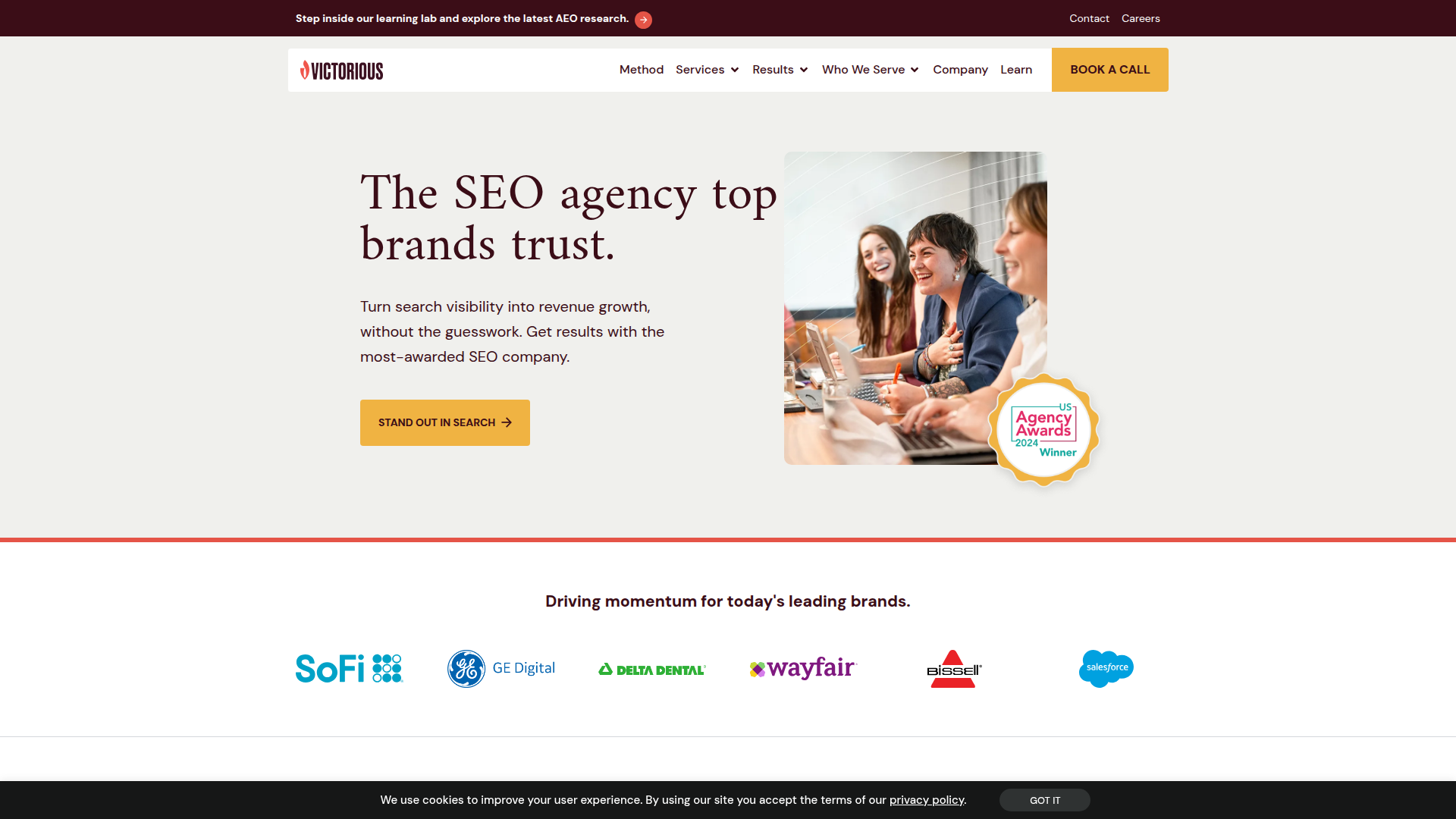
Victorious is known for a data-driven approach and clear reporting. If you care about transparency, ask to see a real monthly report and a sample roadmap.
Look for how they connect keyword analysis to business value. Rankings for high-volume terms can look nice, but the real win is qualified traffic that converts.
They’re often a fit for teams that want structured SEO strategy, measurable milestones, and a steady cadence of improvements.
Pros & Cons
Single Grain
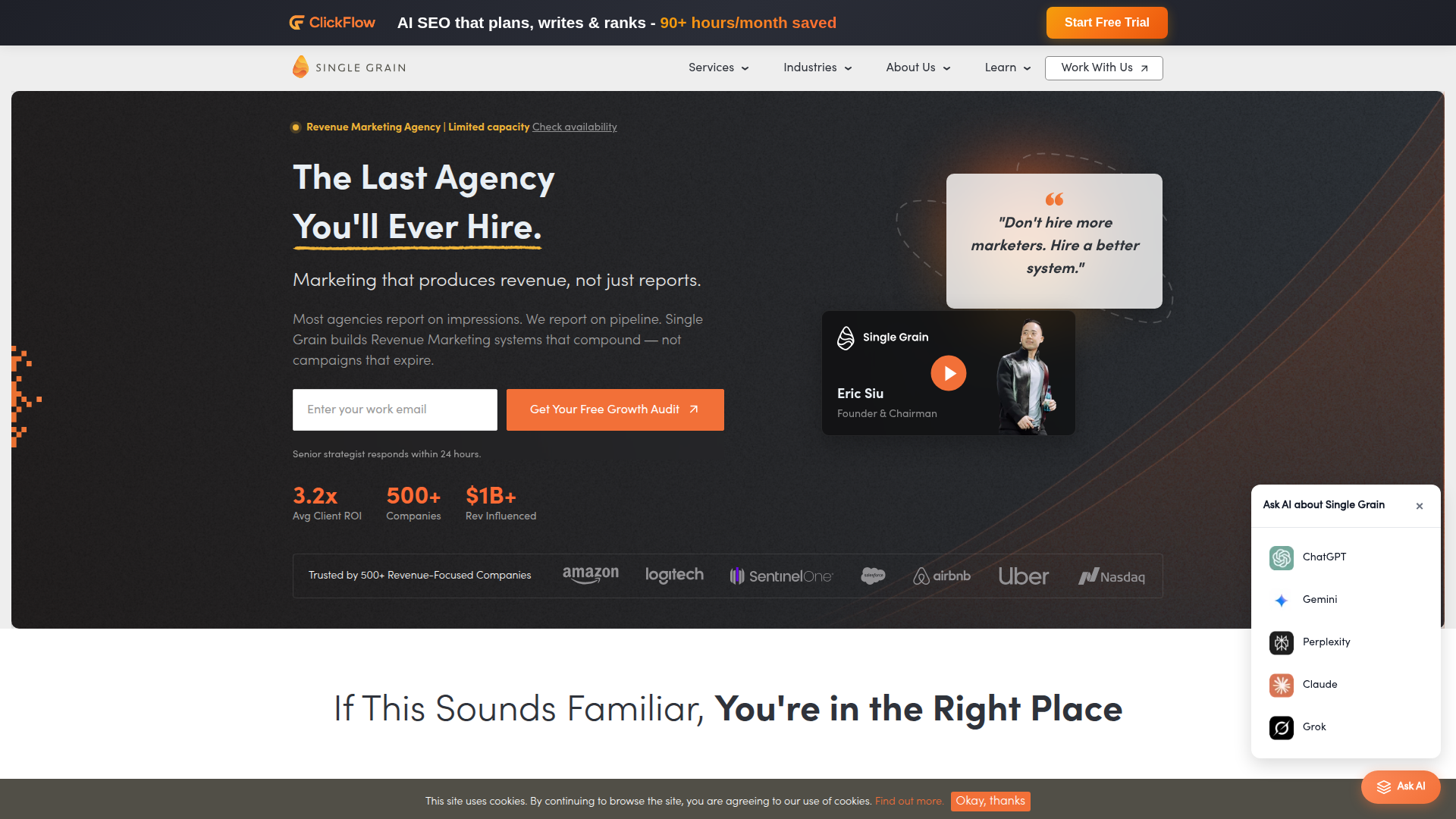
Single Grain offers SEO alongside PPC and content marketing, with a growth-focused angle. If you’re trying to balance short-term acquisition with long-term organic traffic growth, that mix can be useful.
A smart way to use a multi-channel partner is to let paid campaigns test offers and landing pages quickly. Then you can build organic pages around what converts.
Ask about:
Pros & Cons
WebFX
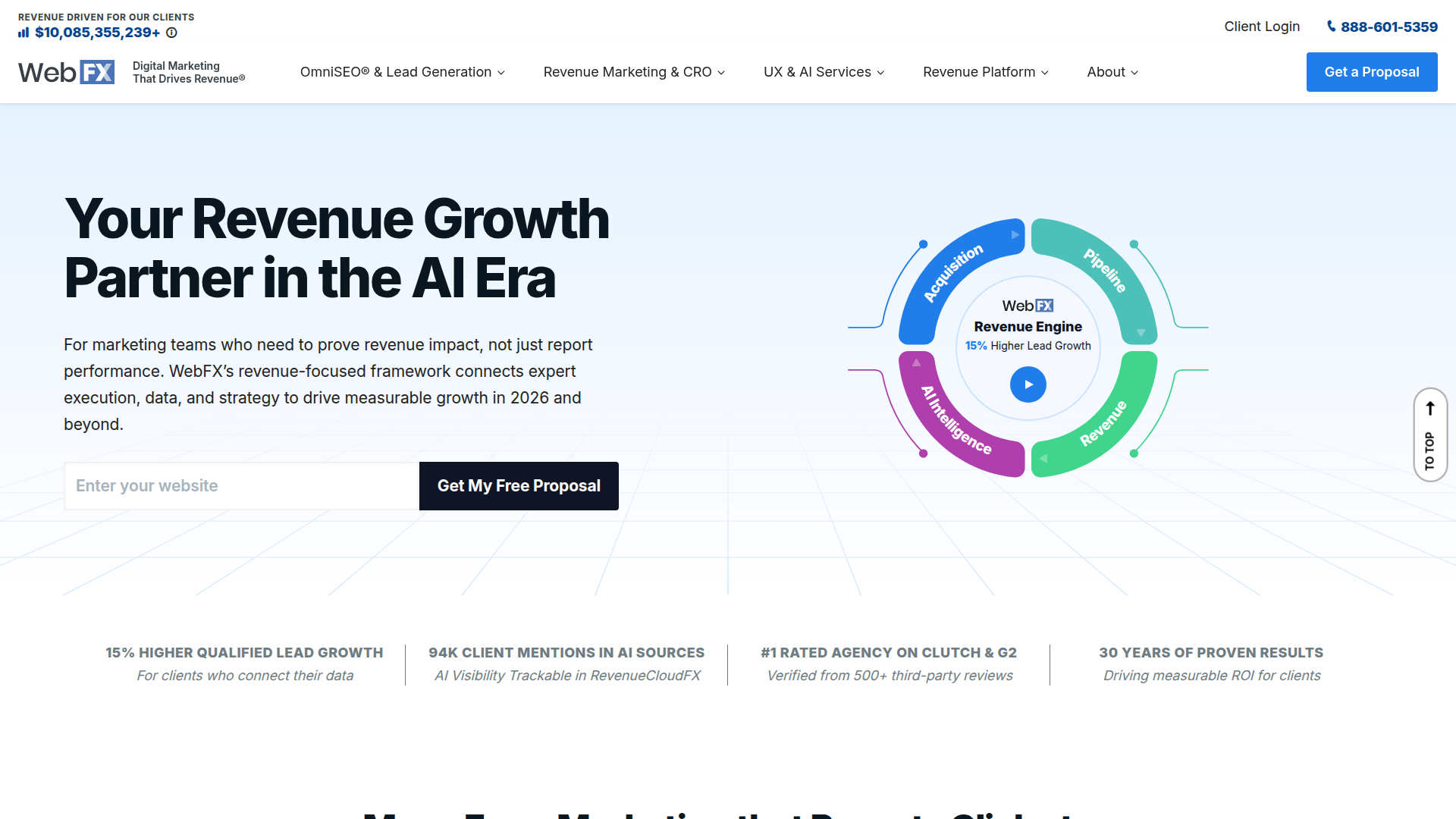
WebFX is a large, full-service shop offering SEO, PPC, web design, and more. Scale can be a benefit if you want established processes, a bigger bench, and lots of supporting services.
For SEO, ask how they handle technical SEO audits, content creation, and link building strategies. Also ask what parts are standardized versus custom, since large agencies often rely on repeatable playbooks.
Pros & Cons
Siegemedia
Siegemedia is known for content-led SEO. If your main growth lever is publishing standout content that earns links naturally, they’re worth a look.
Content-focused agencies tend to shine when you need:
This can be a good match for SaaS, ecommerce, and publishers where content quality is the main differentiator.
Pros & Cons
Searchbloom
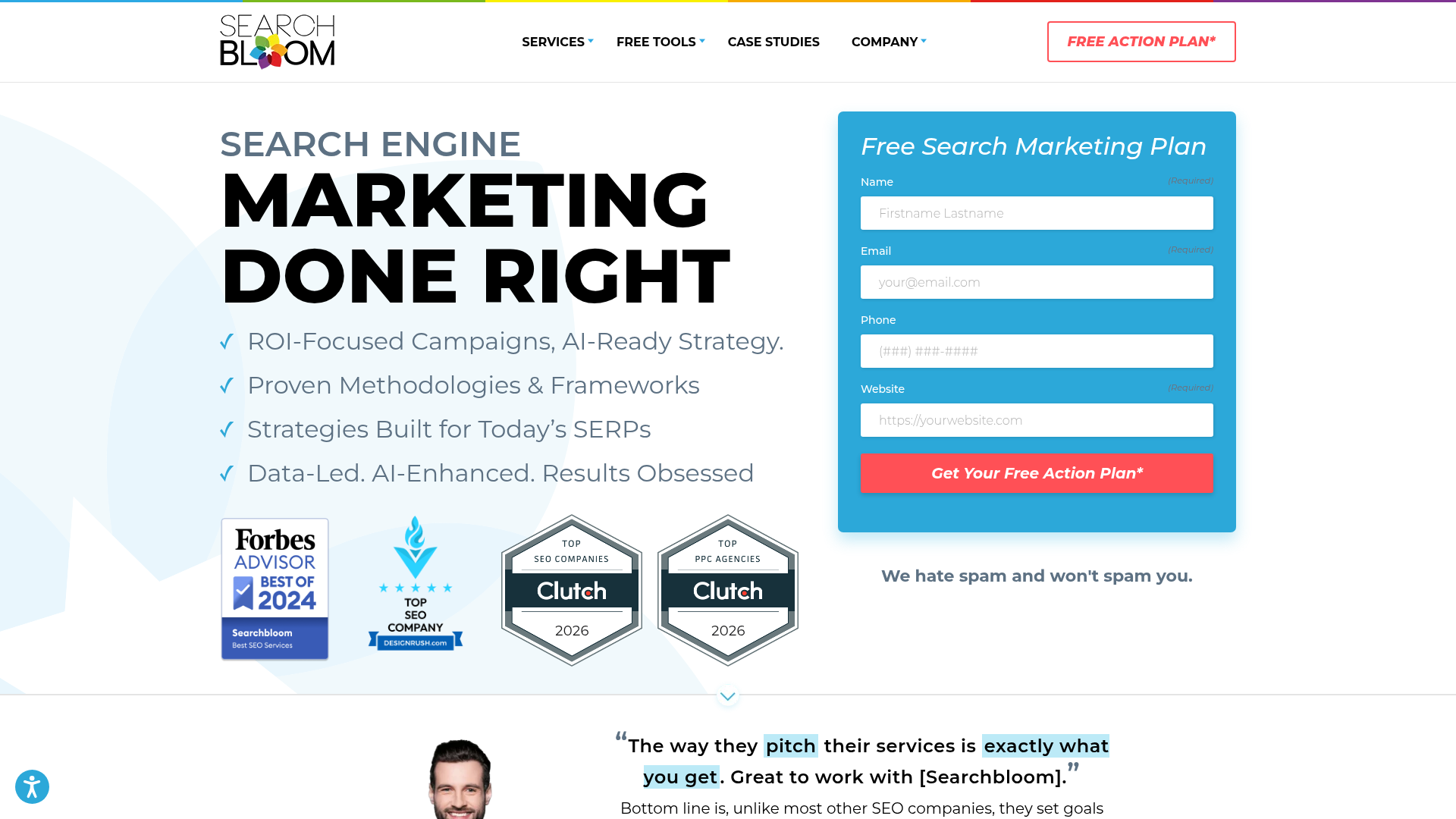
Searchbloom positions itself around ROI-focused SEO and PPC. That’s useful if you want reporting that ties work to leads and revenue, not just rankings.
When you evaluate ROI claims, ask for examples of:
Pros & Cons
Moz Pro Services
Moz Pro Services combines a well-known SEO toolset with service support. If your team wants to learn while getting help, this hybrid model can work.
Tool-backed services can be useful for:
Ask what’s included: strategy sessions, implementation help, or mainly guidance.
Pros & Cons
Crevand
Crevand focuses on data-driven SEO strategies aimed at improving rankings and driving organic traffic. For smaller teams, a data-first approach can help you avoid wasting effort on low-impact pages.
Ask how they prioritize work after the initial website audit. The best plans focus on a few high-leverage fixes and pages first, then expand.
Pros & Cons
Outranker
Outranker is positioned as an affordable SEO option focused on improving rankings and organic traffic. Budget-friendly services can work if your needs are straightforward, like basic on-page fixes and local SEO setup.
If you’re considering a lower-cost provider, protect yourself with clear scope: