b2b search engine optimization: Practical Strategies
BlogSEO: Content Creators

b2b search engine optimization often breaks down when content teams can’t connect search intent to real pipeline goals. BlogSEO is built for that gap. It’s a content-focused platform that helps creators, marketers, and small teams plan, write, and improve pages that target business buyers, not casual browsers.
What stands out is how BlogSEO keeps you close to the full workflow. You can start with a topic tied to a buyer persona, map it to a funnel stage, then build an outline that matches what people actually search for. It also nudges you toward on-page basics that are easy to miss, like internal links, clear headings, and tight intros.
If your B2B marketing team publishes regularly and wants fewer “traffic-only” wins, BlogSEO is worth a look. Read the feature, pricing, and trade-off notes below, then test it on one product page and one educational article. You’ll quickly see whether it fits your content marketing rhythm.
Key Features
BlogSEO focuses on the parts of SEO strategy that content teams touch every day.
For teams doing b2b search engine optimization at scale, these features reduce the “blank page” problem and keep content aligned with lead generation goals.
Pricing Info
BlogSEO pricing usually makes the most sense when you match tiers to publishing volume and team size.
When you compare cost, don’t just count articles. Count the time saved on briefs, revisions, and rework. If BlogSEO helps you ship clearer pages that convert, the value shows up in conversion optimization, not only rankings.
Pros and Cons
Pros & Cons
Google Autocomplete: Identifying Popular Search Queries Quickly
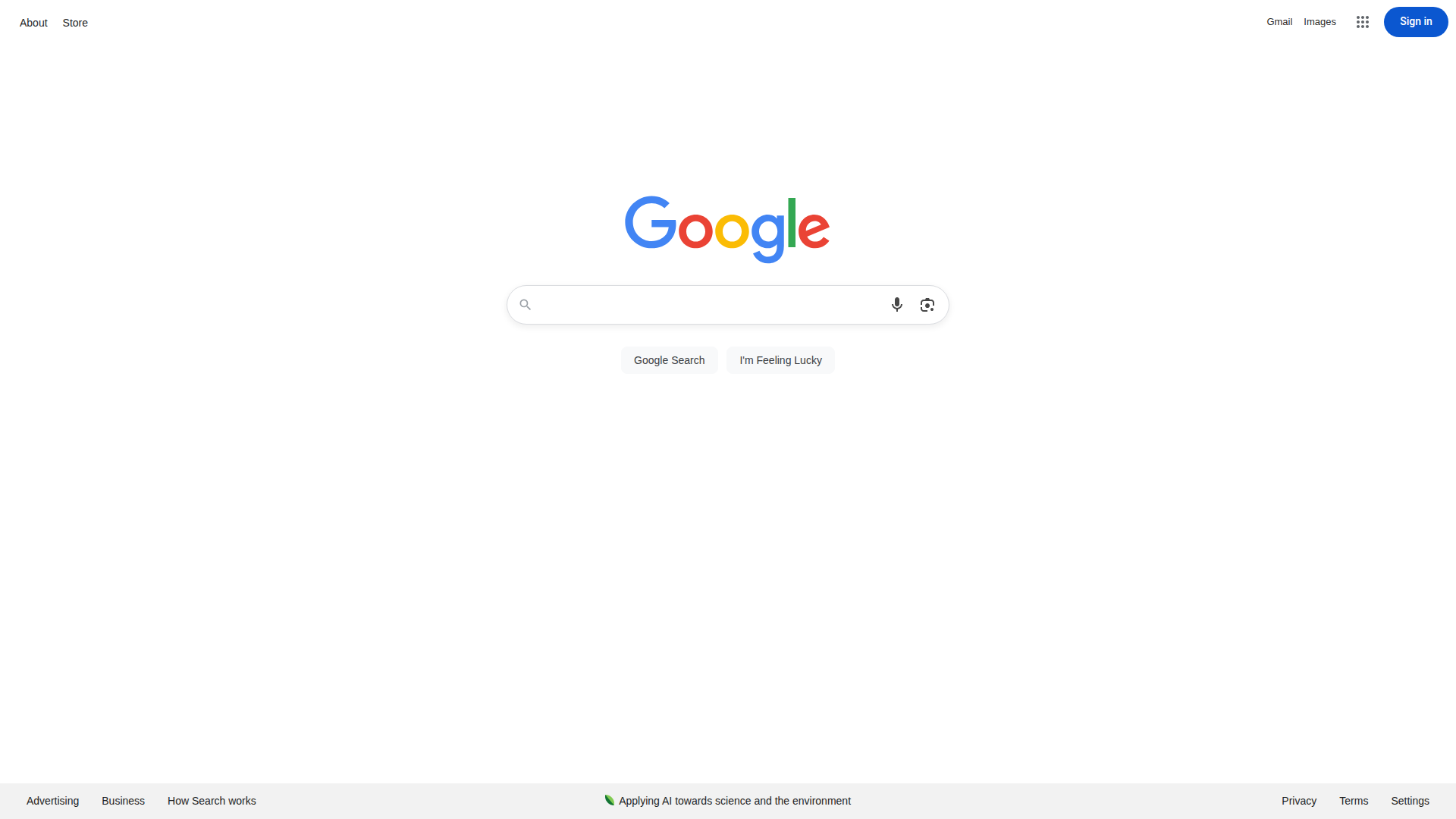
Google Autocomplete is a simple way to spot what people already type into search. For B2B marketing, it’s useful because buyers often search in plain language, not in your product terms.
Start with a seed phrase that matches a problem, not a feature. Type it into Google and pause. The suggestions are real queries, shaped by location, trends, and past searches.
Here’s a quick method you can repeat:
Example: a cybersecurity firm might see suggestions like “ransomware incident response plan template” or “SOC 2 compliance checklist”. Those are content marketing gold because they map to real buying steps.
Pair Autocomplete with BlogSEO when you turn those queries into briefs. It helps you keep the page focused, so you don’t drift into generic advice.
One caution: Autocomplete is fast, but it’s not a volume tool. Use it to generate ideas, then validate with keyword research data from your usual stack.
Competitor Keyword Analysis: Gaining Insights into Competitors' Keyword Strategies

Competitor keyword analysis is how you stop guessing. In B2B, the goal isn’t to copy competitors. It’s to find gaps, weak pages, and topics they ignore.
Start by listing your real competitors, not just the biggest brands. Include:
Then look for patterns:
Add a human layer. Ask sales what prospects compare you against. Those “we’re evaluating you vs…” calls are a roadmap for comparison pages.
Case example: A B2B analytics vendor noticed competitors ranking for “data warehouse cost calculator” but offering no real calculator. They published a simple interactive tool plus a guide. It earned links from finance blogs and improved conversion rates on demo requests.
Emerging tech angle: AI can speed up competitor review. Use it to summarize competitor pages, extract headings, and spot missing subtopics. Still, you should verify claims and avoid copying wording.
When you turn findings into content, keep the page purpose tight. BlogSEO can help you build a brief that matches the intent you’re trying to win.
Digital PR: Businesses Aiming to Improve Online Presence Through Media Coverage

Digital PR helps B2B brands earn authority signals that content alone can’t always get. Think mentions, links, and citations from sites your buyers trust.
The trick is to pitch stories that are useful, not self-focused. Reporters and editors want data, trends, and clear takes.
Digital PR ideas that work well in B2B:
A simple process:
Social media matters more than people admit. Strong posts on LinkedIn can lead to journalists finding you, and those mentions can turn into links later.
Regional and cultural note: PR angles vary by market. In the EU, privacy and compliance stories land well. In the US, ROI and productivity often win. In APAC, local partnerships and trust signals can matter more.
Digital PR supports off-page SEO, but it also supports brand search. When more people search your company name, your other pages often lift too.
Long-Tail Keywords: Targeting Niche Audiences with Specific Needs

Long-tail keywords are where many B2B deals start. They’re specific, lower volume, and usually higher intent. They also match how decision-makers search when they’re trying to solve a real problem.
Instead of chasing broad terms like “CRM software”, go after phrases like:
How to find long-tail terms that convert:
Then build pages that match the intent. A long-tail query usually wants a direct answer and proof.
Good page formats for long-tail:
UX matters here. If a buyer lands on an “integration” page, they want setup steps, screenshots, and limits. If they land on a “pricing” query, they want ranges, what changes the price, and a clear next step.
Personal branding can help long-tail performance too. When a known expert at your company publishes practical posts, those pages can earn links and shares faster. That’s especially true on LinkedIn.
If you’re building clusters, BlogSEO can help you keep long-tail pages connected to a stronger pillar page, which improves internal linking and relevance.
Technical SEO: Improving Website Infrastructure for Better SEO Performance

Technical SEO is the foundation. If search engines can’t crawl, render, and understand your site, your content won’t reach the right people.
Start with the basics that affect rankings and user experience:
Don’t ignore UX. Clear navigation, simple forms, and fast pages support conversion optimization. A technically perfect page that’s hard to use still loses deals.
A practical audit cadence:
Emerging tech note: AI-generated pages can create thin content at scale. Technical controls help here. Use templates carefully, add unique value, and avoid publishing hundreds of near-duplicates.
Technical work pairs well with content work. When your infrastructure is solid, every new article has a better chance to rank and drive lead generation.
Final Verdict

A strong B2B SEO strategy is rarely one trick. It’s a system: find real queries, publish helpful pages, earn trust signals, and keep the site healthy.
If you want quick wins, start with Google Autocomplete and long-tail keywords. They help you match search intent without fighting huge brands right away.
If you need a clearer plan, competitor keyword analysis shows where the market is already spending attention. Digital PR then adds authority, which can lift many pages at once.
Technical SEO keeps everything from falling apart. It also improves user experience, which supports conversions.
For content teams, BlogSEO fits well when you need repeatable briefs, tighter on-page work, and topic clusters that map to buyer personas. Use it to keep your publishing focused, then measure results in pipeline, not just traffic.
Done right, b2b search engine optimization becomes less about chasing rankings and more about building trust at every step of the buying journey.